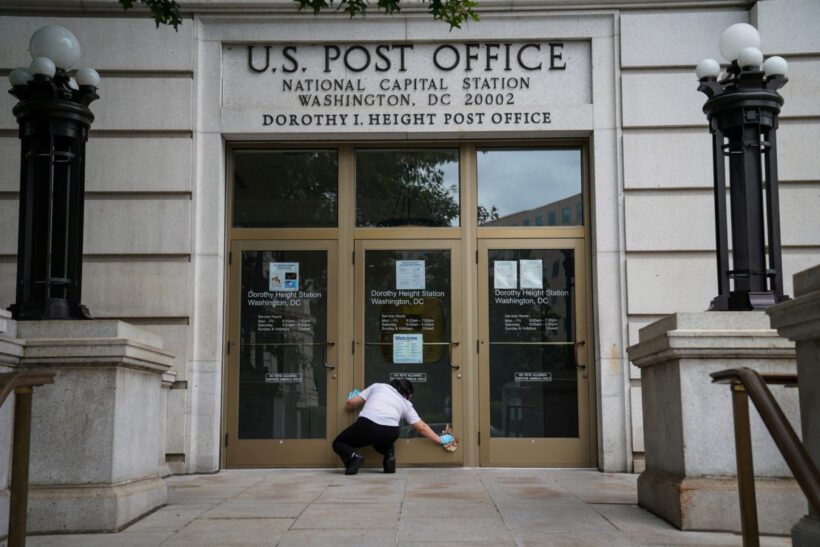

Introduction:
Postal banking has a rich history dating back to the 19th century, providing financial services through postal systems. Over the years, these services have evolved to meet the changing needs of society. So, In this article, we will delve into the basics of postal banking and explore the current scenario in 2023.
The Basics of Postal Banking:
- Historical Perspective: Postal banking traces its roots back to the 1860s when postal systems began offering basic savings and remittance services. Also, The goal was to provide financial inclusion to a broader population.
- Services Offered: Postal banks typically offer a range of financial services, including savings accounts, remittances, bill payments, and basic loans. Additionally, these services are designed to cater to individuals who may not have easy access to traditional banking.
- Accessibility: One of the key advantages of postal banking is its widespread accessibility. Furthermore, postal offices are often located in rural and remote areas, making financial services available to populations that may be underserved by traditional banks.
- Financial Inclusion: This type of banking plays a crucial role in promoting financial inclusion by reaching out to the unbanked and underbanked. Thus, this helps individuals and communities participate more fully in the economy.
The Current Scenario in 2023:
- Technological Integration: In 2023, postal banking has embraced technological advancements to enhance its services. Similarly, Online banking, mobile applications, and digital payment options have become integral to the postal banking experience, making it more convenient for users.
- Global Collaboration: Many postal banking systems around the world are increasingly collaborating with other financial institutions and fintech companies to expand their service offerings. This collaboration helps leverage expertise and resources for the benefit of customers.
- Financial Literacy Programs: Recognizing the importance of financial education, postal banking services in 2023 often include initiatives to improve financial literacy. Moreover, these programs empower users to make informed decisions about their finances.
- Government Partnerships: Postal banks frequently collaborate with governments to disburse social benefits, pensions, and subsidies. Therefore, this strengthens the relationship between postal banking and public services, reinforcing their role in fostering financial inclusion.
- Community Development: In 2023, postal banks continue to play a vital role in community development by providing financial services to small businesses and entrepreneurs. Also, this contributes to the economic growth of localities, particularly in areas where traditional banks may be scarce.
Conclusion:
Postal banking, with its rich history and adaptability, remains a cornerstone in promoting financial inclusion. So, In 2023, the integration of technology and collaboration with other financial entities has positioned as a crucial player in the ever-evolving landscape of financial services. Lastly, as it continues to adapt to the needs of society, postal banking is poised to play a vital role in shaping the future of inclusive finance.
Disclaimer: This article is provided for informational purposes only and does not constitute financial, investment, or legal advice. The author and publisher are not responsible for any decisions on the information provided. Readers shall seek professional advice for their specific circumstances. Any reliance on the information in this article is at the reader’s own risk.
To read more, click here
Thank You For Reading, feel free to ask any questions in the comment section below.
Follow us on Social Media Platforms,
Click Here: Instagram, Facebook, YouTube, and Twitter
Stay Informed, Stay Responsible with My Finance World!


 Sukhpreet Kaur